


Sustainability
& Mental Health
Water pollution is the contamination of water bodies (like rivers, lakes, oceans, and groundwater) by harmful substances, which affect ecosystems, human health, and the economy. It results from various human activities, and its effects can be wide-ranging and long-lasting.
1. Types of Water Pollution
-
Chemical Pollution: This occurs when toxic substances, such as pesticides, heavy metals (lead, mercury), industrial chemicals, and pharmaceuticals, are released into water bodies. These chemicals can be lethal to aquatic life and harmful to humans.
-
Nutrient Pollution: Excessive nutrients (primarily nitrogen and phosphorus) from agricultural runoff, fertilizers, and sewage can lead to eutrophication, which causes algae blooms. This depletes oxygen in water, leading to "dead zones" where aquatic life cannot survive.
-
Microbial Pollution: Caused by bacteria, viruses, and parasites from untreated sewage or animal waste, microbial pollution poses serious health risks, especially in drinking water sources.
-
Plastic Pollution: Plastics, particularly microplastics, contaminate oceans, rivers, and lakes. They pose risks to marine life, which can ingest them. Plastics in water can persist for hundreds of years, breaking down into smaller pieces but never fully degrading.
-
Thermal Pollution: When industries discharge hot water into rivers or lakes, it raises the water temperature, disrupting aquatic ecosystems and leading to reduced oxygen levels in the water.
2. Sources of Water Pollution
-
Agricultural Runoff: Pesticides, herbicides, fertilizers, and animal waste from farms can wash into nearby water bodies, leading to nutrient pollution, chemical contamination, and pathogen spread.
-
Industrial Waste: Factories often discharge pollutants like heavy metals, chemicals, and untreated wastewater into rivers and oceans, leading to severe contamination.
-
Fast Fashion:
-
Sewage and Wastewater: Untreated or inadequately treated sewage carries harmful microorganisms, chemicals, and waste into water bodies. In many developing regions, wastewater is directly dumped into rivers and oceans.
-
Oil Spills: Leaks and spills from ships or offshore oil rigs release large amounts of oil into the ocean, severely affecting marine ecosystems and wildlife.
-
Plastic Waste: Discarded plastics, which break down into microplastics, are carried by rivers into oceans, contributing to vast patches of ocean plastic waste.
-
Urban Runoff: Rain water runoff from urban areas picks up pollutants like oil, grease, heavy metals, and other contaminants from roads and buildings, which eventually flow into waterways.
3. Effects of Water Pollution
-
Health Effects
-
Waterborne Diseases: Contaminated water can spread diseases such as cholera, dysentery, and typhoid. Millions of people globally suffer from waterborne illnesses, particularly in areas lacking access to clean drinking water and sanitation.
-
-
-
Toxicity: Pollutants such as heavy metals (lead, mercury) and industrial chemicals can cause poisoning in humans and animals. Long-term exposure may lead to cancers, organ damage, and reproductive health issues.
-
-
-
Unsafe Drinking Water: Pollution contaminates drinking water sources, making it hazardous for consumption. This is a pressing issue in many developing countries where water treatment infrastructure is limited.
-
-
Environmental Effects
-
Aquatic Life and Ecosystems: Pollution harms fish, amphibians, and other aquatic organisms. Eutrophication from nutrient pollution depletes oxygen, creating dead zones where no life can survive. Toxic chemicals can accumulate in the food chain, harming larger animals, including humans.
-
-
-
Habitat Destruction: Coral reefs, wetlands, and other critical habitats are affected by pollution, particularly from chemicals, plastics, and oil spills. These areas support biodiversity and serve as nurseries for marine species.
-
Disruption of Food Chains: Pollutants like mercury and pesticides can accumulate in the tissues of organisms at the bottom of the food chain, causing bioaccumulation. This has a cascading effect, as larger predators consume contaminated prey, leading to widespread ecological disruption.
-
-
Economic Effects
-
Tourism: Pollution in beaches, lakes, and rivers deters tourism. Coral reefs, which attract millions of tourists annually, are particularly vulnerable to pollution, leading to revenue losses in the tourism sector.
-
-
-
Clean-up Costs: Governments and industries spend significant resources on cleaning up polluted water bodies, oil spills, and contaminated beaches. This represents a heavy financial burden, particularly in industrialized regions.
-
-
Social Effects
-
Water Scarcity: Water pollution reduces the availability of clean, usable water, worsening water scarcity issues in regions already facing limited freshwater resources.
-
Impact on Vulnerable Communities: Poor and marginalized communities often suffer the most from water pollution. In many cases, they live near industrial areas or depend on polluted water sources for daily needs, exacerbating health inequalities.
-
4. Solutions to Water Pollution
-
Improved Waste Management: Better waste treatment facilities and Sewage treatment facilities, stricter regulations on waste disposal, and minimizing plastic use are critical to reducing pollution levels.
-
Sustainable Agriculture: Using biological fertilizers and pest control acquired from animal or plant waste instead of Chemical Pesticides and Synthetic Fertilizers , as well as adopting soil conservation practices, can reduce agricultural runoff. Implementing better irrigation systems and practices like planting trees or any plants near bodies of water to limit nutrient runoff is also essential.
-
Regulation and Enforcement: Governments can implement and enforce laws that limit the discharge of pollutants from industries and municipalities into water bodies. Stricter standards on emissions and pollutants can help prevent contamination.
-
Public Awareness and Education: Raising awareness about the effects of water pollution and encouraging sustainable practices in households and businesses is crucial. Public participation in cleanup efforts can also help reduce pollution at the community level.
Conclusion
Water pollution is a pressing global issue that has far-reaching consequences for human health, ecosystems, and economies. Addressing it requires concerted efforts from governments, industries, and individuals to reduce pollutants, adopt sustainable practices, and protect the vital water resources upon which life depends.
WATER POLLUTION


.jpg)

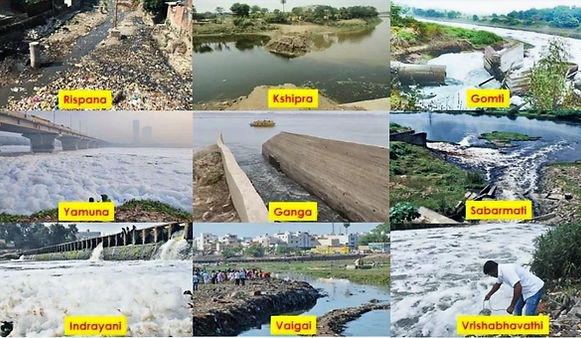
97% water of Yamuna river is sucked in by canals just before Hathani Kund barrage. Rest evaporates after running few kilometers. Around 150 kilometers of Yamuna bed is completely empty.
What flows in Delhi and after that is nothing BUT untreated filthy dirty drain water from various drains dumped into Yamuna bed.


ISKCON DEVOTEES - SAVE YAMUNA CAMPAIGN
The River Yamuna is also described as the "River of grief " and "dirty river" in Delhi, Agra, and Mathura. This is mainly because of the seepage of untreated wastewater from the majority of Delhi's factories into the river, resulting in water that resembles an industrial sewer . Most industrial complexes near riverbanks either do not treat or only partially treat effluents before discharging them into waterways River water is extensively utilized for industrial production, thermal power, and hydroelectricity generation The discharge of industrial wastes leads to elevated concentrations of HM contamination in the area. In cities such as Faridabad, Mathura, Delhi, and Agra, numerous industrial facilities emit substantial quantities of untreated water into the Yamuna . According to a report 359 industrial facilities dispose of their effluents indirectly or straight into the river. It has been reported that 42 industrial units in Delhi directly contribute to Yamuna contamination .

And, just as Srila Prabhupada had promised in his talks and books, the morning bath in the Yamuna was like swimming in nectar. I remember submerging myself so that her flow came up to just below my eyes.

When there was no so-called advancement of civilization, people used to eat on utensils made of silver, gold, at least metal. Now they're using plastic. And still, they are proud of advancement of civilization. Actually it is anartha, anartha, unwanted things. At least, in, two hundred years ago in India, there was no industry. I think I am correct. Yes. But people were so happy.

Ninety per cent of the city's residential wastewater enters the Yamuna. It contains chemicals, phosphate compounds, laundry waste water, detergent, and other materials that cause harmful foam in the river
In a study ‘Polluted River Stretches for Restoration of Water Quality - 2022’, conducted by the Central Pollution Control Board (CPCB), the water quality of 12 rivers in Telangana was monitored at 49 different locations.
At 37 locations on nine rivers, the quality of water did not conform to the prescribed Water Quality Criteria with respect to Biochemical Oxygen Demand (BOD). Godavari, Karakavagu, Kinnersani, Krishna, Manair, Manjeera, Munneru, Musi, Nakkavagu figure in the list of nine polluted rivers in the State among which Musi is the highly polluted river with BOD at 66.0 (mg/L)


The environmental impact of fast fashion comprises the depletion of non-renewable sources, emission of greenhouse gases and the use of massive amounts of water and energy. About 700 gallons of water is required to produce one cotton shirt and 2 000 gallons of water is required to produce a pair of jeans.
In China, the factory of the world, it is estimated that 70 percent of the rivers and lakes are contaminated by the 2.5 billion gallons of wastewater produced by the textile industry.
“Low cost clothing has a high cost attached to it, one to the environment and public health,”
In the United States, we generate enough textile waste to fill the Mall of America-- the largest shopping mall in the country-- every six days. As a result, millions of garments produced every year are never worn before heading to a landfill or incinerator. When fashion brands are hyper-focused on endlessly pumping out the next trend, massive amounts of waste are inevitable.
The phrase “fast fashion” has gained prominence in discussions about sustainability, environmental conscience, and fashion. The term refers to cheaply produced and priced garments that copy the latest styles and get manufactured quickly through stores in order to maximize on current trends.
The fast fashion model gets its name from the speed at which clothes are designed, produced, distributed, and marketed. This allows retailers to draw big amounts of a wider range of products, giving customers more fashion and product distinction at a lower cost. Fast-fashion items are typically thrown away sooner rather than later due to their low quality, which contributes significantly to environmental issues.
According to a study done by The Department of Biology, York University, Toronto, “The fashion industry is the second most polluting industry, contributing 8% of all carbon emissions and 20% of all global wastewater, with an anticipated 50% increase in greenhouse gas emissions by 2030.”
.png)


A whale found dead at Wakatobi National Park in Sulawesi province, Indonesia. The animal's stomach contains 6kg of plastic litter.


An inspiring balance between tradition, environmental and social responsibility - Indian Wear embraced by Western World - ISKCON

Say no to straws, plastic cups, and plastic utensils when you dine and get out in the beach. Around the world, one million plastic drinking bottles are purchased every minute, while up to 5 trillion single-use plastic bags are used worldwide every year. In total, half of all plastic produced is designed to be used only once — and then thrown away ! Here a 4 simple ways to reduce your plastic consumption :
REFUSE disposable plastic whenever and wherever possible. Choose items that are not packaged in plastic, and carry your own bags, containers and utensils. Say ‘no straw, please.’
REDUCE your plastic footprint. Cut down on your consumption of goods that contain excessive plastic packaging and parts. If it will leave behind plastic trash, don’t buy it.
REUSE durable, non-toxic straws, utensils, to-go containers, bottles, bags, and other everyday items. Choose glass, paper, Stainless steel Straws, wood, ceramic and bamboo over plastic.
RECYCLE what you can’t refuse, reduce or reuse. Pay attention to the entire life cycle of items you bring into your life, from source to manufacturing to distribution to disposal.


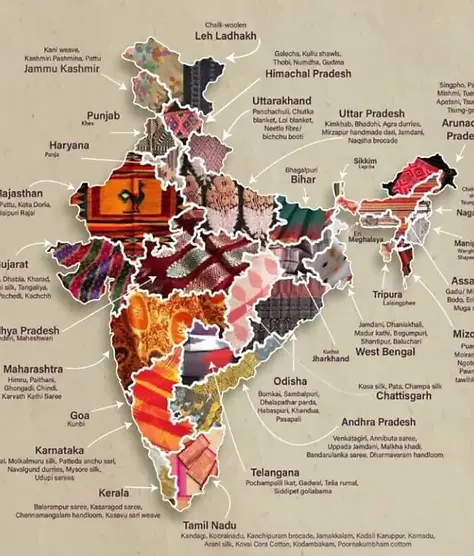

Learning weaving and production of clothes - ISKCON, HUNGARY
Soil pollution refers to the contamination of the soil with harmful substances that can negatively affect plant growth, animal life, and human health.
Soil pollution can cause an imbalance of the ecosystem of the soil. The soil is an important habitat and is the house of different type of microorganisms, animals, reptiles, mammals, birds, and insects. This pollution is typically caused by industrial activity, agricultural chemicals, improper waste disposal, and mining.
Causes of Soil Pollution
-
Industrial Waste: Chemicals and toxic substances from factories, including heavy metals (like lead, mercury, and cadmium), get absorbed into the soil.
2. Agricultural Practices: The excessive use of pesticides, fertilizers, and herbicides can lead to chemical buildup in the soil.
3.Mining Activities: Mining releases heavy metals and other harmful substances that seep into the soil.
The creation of landscape blots like open pits and piles of waste rocks due to mining operations can lead to the physical destruction of the land at the mining site. Such disruptions can contribute to the deterioration of the area's flora and fauna. There is also a huge possibility that many of the surface features that were present before mining activities cannot be replaced after the process has ended. The removal of soil layers and deep underground digging can destabilize the ground which threatens the future of roads and buildings in the area. For example, lead ore mining in Galena, Kansas between 1980 and 1985 triggered about 500 subsidence collapse features that led to the abandonment of the mines in the area. The entire mining site was later restored between 1994 and1995.
A landscape affected by mining can take a long time to heal. Sometimes it never recovers. Remediation efforts do not always ensure that the biodiversity of the area is restored. Species might be lost permanently.
4.Waste Disposal: Improper disposal of household waste, including plastics, electronics, and batteries, contributes to soil contamination.
5.Oil Spills: Leaks from oil pipelines or accidents in oil transportation can significantly degrade soil quality.
Effects of Soil Pollution
-
Health Risks: Exposure to contaminated soil can lead to health problems like cancer, respiratory issues, and developmental problems in children.
-
Loss of Soil Fertility: Pollution decreases the natural fertility of the soil, affecting crop productivity.
3.Ecosystem Disruption: Harmful chemicals in the soil can damage plant roots, disrupt microbial activity, and harm animals that depend on healthy soil for food.
4.Water Pollution: Contaminated soil can lead to the leaching of pollutants into groundwater, affecting drinking water supplies.
Solutions and Prevention
-
Sustainable Farming Practices: Reducing the use of chemical fertilizers and pesticides in favor of organic alternatives.
-
Waste Management: Proper disposal and recycling of waste materials can help minimize soil contamination.
-
Soil Remediation: Techniques like phytoremediation (using plants to absorb toxins) and soil washing can help clean contaminated soils.
4.Environmental Regulations: Governments can enforce stricter regulations on industries and waste management to prevent further pollution.
Addressing soil pollution is critical for maintaining healthy ecosystems, ensuring food security, and protecting human health.
Every year the 10th of October is celebrated as World Mental Health Day, so as to bring more awareness around mental health issues and remove the stigma associated with it. The World Health Organization states that one in four people are suffering from mental health problems. This is a significant number suggesting that mental health disorder is one of the biggest things that has taken our generation by storm.
Some of the prime causes of mental health disorder in this age:
-
Lifestyle: This aspect can play a significant role in the mental wellbeing of a person. Depending on what kind of lifestyle you choose, your mental state can be impacted positively or negatively. Be sure to set your lifestyle right so as to claim back your mental health.
-
Social Media: The demon in disguise in modern times for most of us is the over-usage of social media. With constant bombardment of messages and an algorithm that gets us addicted to social media, it has become a major breeding ground for constant comparison and stress like never before. Regulating the time spent on social media and the type of content being consumed can save us from major pitfalls.
-
Association: As the famous saying goes, “You are the combined average of the five people you associate with most”. Being extremely careful about the association we choose and finding people who would elevate our consciousness, would take care of all other factors that could impact our mental health.
Some measures we can inculcate into our life are:
-
To have a good practices in the morning hours, either through chanting or studying scriptures.
-
To consume vegetarian food which is in the mode of goodness like Grains, Fruits, Vegetables and Green leafy vegetables.
-
To be regulated in our habits of eating, sleeping and recreation.
-
To have good association where we can find the real essence of our lives.
SOIL POLLUTION

Large quantity of solid wastes like unused and rejected chemicals (like calcium carbonate, magnesium sulphate, ferrous chloride, ferrous oxide, radioactive wastes, fly ashes, sludge, press mud, saw dust, bottles, plastic materials) unwanted industrial wastes generated during manufacturing processes (rejection, broken items of metal, plastic, wooden or chemical solids, powders) are dumped over on the surface of soil by almost all industries with difference in the degree. Larger the production base, larger is the generation of wastes. Traditionally, these materials have been dumped around the factory site or around the entire city. Rarely, they are put to recycling or safe conversion. All these solid materials dumped on surface of soils are bound to change the chemical and physical nature of soil besides contributing large quantity of pollutants to underground water – whenever rain water passes through them. In most situations, solid wastes have caused problems such as foul smell (sugar and paper industry), disturbed air composition (fly ash from thermal power plants and cement industries) changed the physical nature of soil (coal and steel industrial wastes), as well as radioactive dangers (atomic power plants).
Inorganic residues in industrial waste cause serious problems as regards their disposal. They contain metals which have high potential for toxicity. Industrial activity also emits large amounts of arsenic fluorides and sulphur dioxide (SO2). Fluorides are found in the atmosphere from superphosphate, phosphoric acid, aluminium, steel and ceramic industries. Sulphur dioxide emitted by factories and thermal plants may make soils very acidic. These metals cause leaf injury and destroy vegetation. Through industrial waste some elements can accumulate in soil like Copper, mercury, cadmium, lead, nickel, arsenic etc.
Organic waste from industrial dispose seriously affects human health, plants and animals. Organic wastes contain borates, phosphates, detergents in large amounts. These elements affect the growth of plants. The main organic contaminants are phenol and coal. Asbestos, combustible materials, gases like methane, carbon dioxide, hydrogen sulphide, carbon monoxide, sulphur dioxide, petrol are also contaminants. The radioactive materials like uranium, thorium, strontium etc. also cause soil pollution. Microbial decomposition of organic wastes generates large quantities of methane that pollute the soil and water flowing on its surface.
Heavy metals like cadmium, cobalt, chromium, copper, iron, nickel, lead, mercury, manganese etc. can cause soil pollution. Underground soil can be polluted by the deposition of cadmium, chromium, lead, arsenic, selenium etc.

In pre-industrial agriculture, people used oxen to plow the land, and their manure was used to fertilize crops. Industrial agriculture encourages use of machinery to till the land (sending cattle to slaughterhouses) and of chemical fertilizers to replace natural organic manure. In traditional agriculture, people grew diverse crops together (referred to as polyculture or biodiversity). This ensures food security in case some crops fail. Further, diverse crops cooperate with one another. For example, in Native American polyculture gardens, corn, climbing beans, and winter squash (the “three sisters”) were grown together. The corn provides a structure for the beans to climb; the beans provide the nitrogen to the soil that the other plants use; and the squash spreads along the ground, blocking the sunlight, retaining moisture, and helping prevent the establishment of weeds.
Industrial agriculture, however, selects a few commercially beneficial crops and encourages monocultures in cultivation. From 1960 to 2000, the industrialized “Green Revolution” in the Indian state of Punjab saw increased wheat acreage from 29.58% to 44.5% and increased rice acreage from 4.79% to 25%. Meanwhile, the area under pulses dropped from 19% to 0.21%, oilseeds from 3.9% to 0.71%, and millets from 11.26% to 0.21%.
Today India imports its pulses. Where a basketful of variety could have been obtained, now there is scarcity of important dietary supplements, severely affecting nutrition. Monocultures also result in eventual disappearance of indigenous crop varieties due to lack of cultivation. Across the world the industrial farming model perpetrated by giant multinational corporations encourages cultivation of a handful of crops, like corn, soya, canola, and wheat. Much more of it goes to feed animals in slaughterhouses than to feed people. Vested commercial interests limit the variety of food crops.
“We shall never use this artificial fertilizer on our farms. It is forbidden in the sastras. If you plant easily grown crops once in the year, then the earth will not become exhausted. Don’t overuse the land.” – Srila Prabhupada Letter, January 11, 1976

“One must have his food locally. That is good civilization.” – Srila Prabhupada, Lecture at World Health Organization, Geneva, June 6, 1974.


Soil is the earth’s fragile skin that anchors all life on Earth. It is comprised of countless species that create a dynamic and complex ecosystem and is among the most precious resources to humans. Increased demand for agriculture commodities generates incentives to convert forests and grasslands to farm fields and pastures. The transition to agriculture from natural vegetation often cannot hold onto the soil and many of these plants, such as coffee, cotton, palm oil, soybean and wheat, can actually increase soil erosion beyond the soil’s ability to maintain itself.
Half of the topsoil on the planet has been lost in the last 150 years. In addition to erosion, soil quality is affected by other aspects of agriculture. These impacts include compaction, loss of soil structure, nutrient degradation, and soil salinity. These are very real and at times severe issues.
The effects of soil erosion go beyond the loss of fertile land. It has led to increased pollution and sedimentation in streams and rivers, clogging these waterways and causing declines in fish and other species. And degraded lands are also often less able to hold onto water, which can worsen flooding. Sustainable land use can help to reduce the impacts of agriculture and livestock, preventing soil degradation and erosion and the loss of valuable land to desertification.

.jpg)

Mental Health
